
Recognizing when a roof requires replacement is vital for maintaining property value and preventing extensive damage. Signs such as curling shingles, granule loss, and visible water stains are indicators of deterioration. Different roofing materials possess varying lifespans, which can influence decision-making. Additionally, weather patterns can exacerbate existing issues. Understanding these factors becomes important for homeowners. What specific criteria should one consider when evaluating whether to repair or replace a roof?
Key Takeaways
- Inspect for curling or missing shingles, as these can lead to moisture exposure and rot, indicating a need for replacement.
- Check for significant granule loss on shingles, which compromises their protective capabilities and suggests deterioration.
- Look for sagging areas on the roof, as they may signal structural issues that warrant immediate replacement.
- Identify water stains on ceilings or walls, which often indicate leaks, and can necessitate roof replacement if extensive damage is present.
- Consider the roof’s age and material type, as roofs over 20 years old may need replacement due to natural wear and tear.
Signs Your Roof Is Showing Its Age
As homeowners navigate the complexities of property maintenance, recognizing the signs that a roof is showing its age is essential for long-term investment protection. Key indicators include curling or missing shingles, which may expose underlying materials to moisture, leading to rot. Additionally, granule loss from shingles can signal deterioration, compromising the roof’s ability to shield against the elements. Homeowners should also inspect for sagging or drooping areas, which may indicate structural issues. Moreover, the presence of water stains on ceilings or walls often points to leaks, necessitating immediate attention. Understanding how to know roof needs replacing hinges on these observations, allowing homeowners to proactively address issues before they escalate, thereby preserving the integrity and value of their property.
Common Roofing Materials and Their Lifespans
Choosing the right roofing material is vital for ensuring the longevity and performance of a home. Common roofing materials include asphalt shingles, metal, tile, and wood. Asphalt shingles, popular for their affordability, typically last 15 to 30 years, while metal roofs can endure 40 to 70 years, providing excellent durability and energy efficiency. Tile roofs, known for their aesthetic appeal, can last up to 100 years with proper maintenance. Wood shingles, while charming, generally have a lifespan of 20 to 30 years due to susceptibility to rot and pests. Understanding these lifespans is important for homeowners evaluating how to know if their roof needs replacing, ultimately guiding them in making informed decisions about their roofing investments.
The Impact of Weather on Roof Integrity
Weather conditions play a significant role in determining the integrity and lifespan of roofing materials. Extreme temperatures, both hot and cold, can cause materials to expand and contract, leading to cracks and weakened seams. Heavy rainfall and ice accumulation increase the risk of leaks, while prolonged exposure to ultraviolet (UV) rays can degrade shingles and membranes. Wind can exacerbate these vulnerabilities, lifting edges and dislodging materials. Additionally, localized weather events, such as hailstorms, can inflict immediate damage. Understanding these impacts is essential for homeowners seeking to know how to know roof needs replacing. Regular assessments in response to weather changes can help identify emerging issues, ensuring that the roof maintains its protective function and overall integrity over time.
Assessing Damage: When to Call a Professional
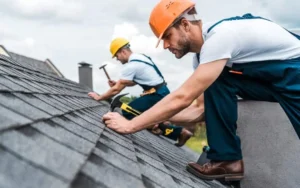
How can homeowners effectively determine when to seek professional help for roof damage? Recognizing signs of deterioration is essential. Homeowners should inspect for visible leaks, missing shingles, or significant granule loss, indicating potential underlying issues. In addition, sagging areas or water stains on ceilings may signal structural damage that requires expertise. If the roof is over 20 years old, consultation with a professional is advisable, as aging materials can lead to unexpected failures. Moreover, after severe weather events, an assessment by a qualified roofing contractor can identify hidden damage that might compromise the roof’s integrity. Understanding how to know roof needs replacing hinges on these assessments, ensuring safety and long-term investment in the home. Timely professional intervention can prevent costly repairs down the line.
Making Informed Decisions: Roof Replacement vs. Repair
Determining the appropriate course of action for roof maintenance requires a careful analysis of both the extent of damage and the cost implications of repair versus replacement. Homeowners should meticulously evaluate factors such as the age of the roof, the type of materials used, and the severity of leaks or structural issues. Repairs may suffice for minor damage, preserving existing materials and extending lifespan. However, if the roof exhibits widespread deterioration, replacement may be the more prudent investment, ensuring long-term protection and energy efficiency. Ultimately, understanding how to know a roof needs replacing involves weighing immediate financial considerations against future maintenance costs, thereby fostering informed decision-making that aligns with both safety and budgetary constraints.
Frequently Asked Questions
How Can I Extend the Lifespan of My Roof?
To extend the lifespan of a roof, regular inspections, prompt repairs, effective ventilation, and proper drainage are essential. Additionally, maintaining cleanliness by removing debris can greatly enhance durability and performance, ultimately safeguarding the home’s integrity.
What Are the Costs Associated With Roof Replacement?
The costs associated with roof replacement typically include materials, labor, permits, and disposal fees. Homeowners should also factor in potential structural repairs, which may greatly influence the overall investment required for a successful roof replacement.
How Do Seasonal Changes Affect Roof Maintenance?
Seasonal changes greatly impact roof maintenance by introducing temperature fluctuations, moisture variations, and debris accumulation. These factors can accelerate wear, necessitating regular inspections and repairs to guarantee longevity and performance, ultimately guiding homeowners on how to know roof needs replacing.
Can I Replace My Roof Myself?
Replacing a roof independently is feasible for experienced individuals, yet it demands extensive knowledge of roofing systems, safety protocols, and proper materials. Evaluating personal skills and project complexity is essential before committing to such a significant undertaking.
What Warranties Are Available for New Roofs?
Various warranties are available for new roofs, including manufacturer’s warranties for materials and workmanship, labor warranties, and extended warranties. Each type provides protection against defects, ensuring homeowners can trust their investment in roofing systems.
Conclusion
In conclusion, recognizing the signs of an aging roof is vital for homeowners aiming to maintain property value and prevent extensive damage. By understanding common roofing materials and their lifespans, as well as evaluating the impact of weather on structural integrity, informed decisions can be made regarding repair or replacement. Engaging a professional for thorough assessments guarantees that potential issues are addressed proactively, ultimately safeguarding the investment and longevity of the home’s roofing system.
You May Also Like To Read: