
Trenchless pipe repair is an innovative approach that utilizes advanced techniques to rehabilitate existing pipelines. This method considerably reduces the need for extensive excavation, minimizing surface disruption. Understanding the mechanics behind trenchless technology is essential for informed investment decisions. Factors such as pipe condition, available technologies, and contractor qualifications play a pivotal role in the success of these projects. Exploring these elements can reveal critical insights into the value and effectiveness of trenchless solutions.
Key Takeaways
- Trenchless pipe repair utilizes advanced techniques like pipe bursting and CIPP lining to rehabilitate pipes without extensive excavation.
- Specialized equipment allows for underground access, preserving surface integrity and minimizing disruption to landscaping and infrastructure.
- The process enhances project efficiency, reducing timelines and labor costs compared to traditional repair methods.
- It is suitable for various applications, including aging sewer systems and residential drains, ensuring longevity and minimal environmental impact.
- Before investing, assess existing pipe conditions, contractor qualifications, and local regulations to ensure project feasibility and compliance.
Understanding How Trenchless Pipe Repair Works and Its Importance
Trenchless pipe repair represents a significant advancement in the field of infrastructure maintenance, offering a minimally invasive solution for damaged pipelines. This technique employs specialized equipment to access and rehabilitate underground utilities without extensive excavation, thereby preserving surface integrity and reducing disruption. The importance of understanding how trenchless pipe repair works lies in its ability to extend the lifespan of existing infrastructure while minimizing environmental impact. By utilizing methods such as pipe bursting or lining, this approach guarantees efficient repair with lower costs and reduced labor. As urban areas continue to expand, the demand for effective maintenance solutions grows, highlighting the necessity of embracing innovative technologies like trenchless pipe repair for sustainable infrastructure management.
How Trenchless Pipe Repair Works
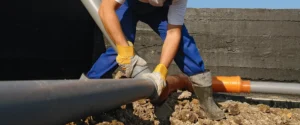
Utilizing advanced techniques, trenchless pipe repair employs a range of methods to efficiently address pipeline damage without the need for extensive excavation. Key techniques include pipe bursting, where a new pipe is inserted while simultaneously breaking the old one, and cured-in-place pipe (CIPP) lining, which involves inserting a resin-coated liner that hardens into a new pipe. These methods minimize disruption to the surrounding environment and infrastructure. Additionally, specialized equipment such as robotic cameras is used for precise inspections, ensuring accurate assessments of pipeline conditions. By leveraging these innovative approaches, trenchless pipe repair not only enhances operational efficiency but also reduces costs associated with traditional repair methods, providing a viable alternative for property owners seeking effective solutions for pipeline issues.
Benefits of Choosing Trenchless Pipe Repair Over Traditional Methods
Numerous advantages exist when opting for trenchless pipe repair compared to traditional methods. Primarily, this approach notably minimizes surface disruption, preserving landscaping and infrastructure. The reduced need for extensive excavation not only accelerates project timelines but also lessens the overall labor costs associated with traditional repairs. Additionally, trenchless techniques often result in enhanced durability and longevity of the repaired pipes, as modern materials and methods are utilized. Environmentally, the minimized disturbance decreases the risk of soil erosion and water contamination. Moreover, trenchless pipe repair typically adheres to stringent regulations, ensuring compliance with environmental standards. Overall, these benefits make trenchless pipe repair a compelling choice for those seeking efficient, cost-effective, and environmentally conscious solutions in managing pipe-related issues.
Common Applications for Trenchless Pipe Repair
When considering modern methods for underground infrastructure maintenance, trenchless pipe repair emerges as a versatile solution applicable in various contexts. This technique is particularly effective for rehabilitating aging sewer systems, where traditional excavation methods may disrupt surface activities. It is also widely used in water main replacements, minimizing the impact on traffic and landscaping. In addition, trenchless pipe repair serves the oil and gas industries, addressing leaks without extensive site disruption. Moreover, it is suitable for residential applications, such as repairing or replacing drains and lateral connections. By understanding how trenchless pipe repair works, stakeholders can appreciate its adaptability and efficiency across diverse infrastructures, ensuring longevity and reduced environmental impact.
What Should You Think About Before Investing in Trenchless Repair?
Before committing to trenchless pipe repair, several factors warrant careful consideration. First, the specific condition of the existing pipes must be evaluated, as extensive damage may negate the benefits of trenchless methods. Cost implications are also vital; while initially higher, long-term savings from reduced disruption and restoration can offset these expenses. Additionally, the choice of technology—such as pipe bursting or slip lining—should align with the project’s requirements. Moreover, evaluating the contractor’s qualifications and experience is essential to guarantee proficiency in trenchless techniques. Finally, local regulations and environmental concerns must be addressed, as they can influence project feasibility. Understanding how trenchless pipe repair works will empower stakeholders to make informed investment decisions.
Frequently Asked Questions
How Long Does the Trenchless Pipe Repair Process Typically Take?
The trenchless pipe repair process typically takes between one to three days, depending on factors such as the extent of damage, pipe length, and soil conditions, ensuring minimal disruption to surrounding infrastructure and property.
What Types of Materials Are Used in Trenchless Pipe Repair?
Trenchless pipe repair utilizes various materials, including high-density polyethylene (HDPE), cured-in-place pipe (CIPP) liners, and epoxy resins. These materials guarantee durability, flexibility, and resistance to corrosion, enhancing the longevity of repaired pipelines.
Is Trenchless Pipe Repair Suitable for All Pipe Types?
Trenchless pipe repair is not suitable for all pipe types. It works best with flexible materials like PVC and HDPE, while rigid pipes, such as cast iron or concrete, may require alternative methods for effective repair.
How Do I Know if Trenchless Repair Is Needed?
Indicators for trenchless pipe repair include frequent leaks, reduced water flow, visible damage, or persistent blockages. A thorough inspection by a qualified professional can confirm the necessity and suitability of trenchless repair for the specific situation.
What Is the Average Cost of Trenchless Pipe Repair?
The average cost of trenchless pipe repair typically ranges from $60 to $200 per foot, influenced by factors such as location, pipe condition, and technology used, ensuring a thorough assessment before undertaking any repair project.
Conclusion
To summarize, trenchless pipe repair presents a sophisticated solution for pipeline rehabilitation, leveraging advanced techniques to minimize surface disruption. By understanding the intricacies of this method and its significant benefits, stakeholders can make informed decisions that optimize efficiency and reduce costs. Careful consideration of pipe conditions, technology options, and contractor qualifications is essential to guarantee a successful investment in this innovative repair approach, ultimately safeguarding infrastructure integrity while preserving the surrounding environment.
You May Also Like To Read: